Hedge Trimming Wimbledon: Recycling and Sustainability
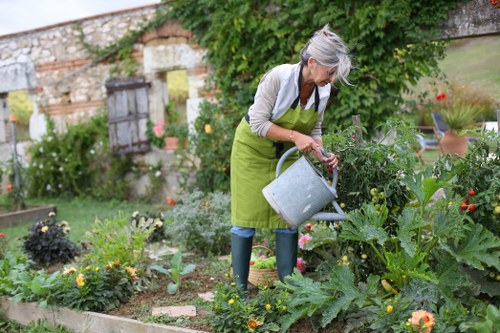 Hedge Trimming Wimbledon is committed to creating an eco-friendly waste disposal area and a truly sustainable rubbish gardening area across Wimbledon and surrounding boroughs. Our approach to Wimbledon hedge trimming combines traditional horticultural care with modern, low-impact waste management. We aim to minimise landfill by prioritising reuse, recycling and local processing of green waste while supporting community projects and wildlife-friendly practices.
Our target is clear: we aim to recycle 85% of all green and garden waste generated by our Wimbledon hedge trimming operations by the end of 2028. This recycling percentage target covers wood chippings, hedge trimmings, soil and biodegradable garden matter. To reach this, our teams use on-site segregation, purposeful routing to local facilities, and partnerships that ensure materials become compost, mulch or reused landscaping resources rather than refuse.
 We coordinate closely with local transfer stations and regional composting hubs so hedge trimming in Wimbledon becomes part of a circular resource flow. The London Borough of Merton and neighbouring authorities encourage separation of garden waste from food and dry recycling streams; we align our processes with those boroughs' approaches to waste separation, ensuring materials are directed to the correct facility for processing and recovery.
Local transfer stations and processing pathways
We route green waste to authorised transfer stations and regional composting facilities rather than municipal landfill. By using nearby transfer hubs we reduce haul distances and emissions, creating a truly local, low-impact rubbish gardening area. Examples of activity include delivering woodchip and hedge clippings to community mulch projects, sending finer green waste to aerobic composting for use in parks, and diverting oversized woody sections to wood recycling streams. On-site sorting is standard for our Wimbledon hedge trimming teams: soil and turf are separated from woody trimmings, plastics (pots and ties) are reclaimed where possible, and metal fixings are removed for scrap recycling. We also operate a small fleet of low-carbon vans—hybrid and fully electric vehicles—so collection rounds and transfers have a reduced carbon footprint. Our low-emission logistics are a key part of creating an eco-friendly waste disposal area for local gardens.
We recycle a range of materials commonly produced by hedge and garden maintenance. Our practical recycling activities include:
- chipping of branches into mulch for local parks and community allotments;
- composting of soft green waste to produce soil improver;
- separation and recycling of plastics and metals collected during works;
- reusing whole or partial shrubs and root-balled plants with charities or community gardens when appropriate.
Partnerships with charities and community schemes
We work with local charities, wildlife organisations and community groups to ensure useful materials are repurposed rather than discarded. Partnerships include donating suitable timber and untreated wood for community projects, supplying mulch to food-growing initiatives, and collaborating with conservation groups to support habitat creation. These charitable collaborations extend the life of resources collected during Wimbledon hedge trimming and support local social and environmental causes. Transparency and measurement are central to our sustainability work. We monitor diversion rates, record tonnage sent to composting and transfer stations, and publish internal progress against our recycling percentage target. Data-driven scheduling helps reduce unnecessary repeat visits, while careful crew training improves on-site segregation, ensuring that the sustainable rubbish gardening area we create is efficient and accountable.
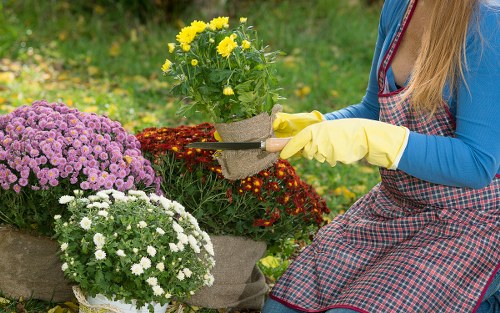 In practice, a sustainable rubbish gardening area looks like this: crews arrive with electric or hybrid vans, use clearly labelled containers to separate woody waste from soft green matter and non-organic debris, and deliver material to approved transfer stations cooperating with borough waste strategies. The result is less truck mileage, less CO2 emitted, a higher recycling rate and more usable resources returning to public green spaces.
Across Wimbledon and the wider borough network our aim is to be leaders in low-impact garden maintenance. Whether described as hedge trimming in Wimbledon, Wimbledon hedge trimming services or simply sustainable hedge care, our focus is creating an eco-friendly waste disposal area and a robust, sustainable rubbish gardening area that benefits residents, local ecology and community projects. By meeting our 85% recycling target, operating low-carbon vans and working with local transfer stations and charities, we turn cuttings and clippings into a resource that helps parks, allotments and urban wildlife thrive.