Hedge Trimming in Wimbledon

Our hedge trimming in Wimbledon is built around neat, controlled cutting for domestic gardens and small commercial outdoor spaces that need a clean, regular finish. We shape hedges to suit the species, the height, and the look you want to keep, while paying attention to new growth, dense sections, and the overall line of the boundary. The aim is straightforward: to leave hedging healthier-looking, tidier, and easier to manage across the seasons.
If you have a formal box hedge, a mixed boundary, or taller screening that has started to lose its shape, we can carry out trimming that respects the plant rather than forcing it into an unsuitable outline. Careful trimming matters because different shrubs respond differently to cuts, and the right approach helps maintain thickness without leaving bare patches. We work with the practical details that affect the final result, including access, waste arisings, and the level of finish expected.
For a clear price discussion, use our pricing and quotes page to start planning your enquiry. If you are comparing several garden tasks, our services overview gives a quick view of the work we cover, while the main trimming service remains the best place to begin for hedge-specific care.
Regular Hedge Care and Seasonal Cutting
Keeping hedges in shape is usually a matter of timing, consistency, and the right cutting pattern rather than simply reducing the height whenever growth appears untidy. We can trim established hedges to maintain a sharp line, reduce spread where branches are pushing into paths or driveways, and manage gradual overgrowth before it becomes harder to correct. For many gardens, regular maintenance is the difference between a hedge that looks deliberate and one that starts to obscure beds, light, or access.
Different hedges call for different levels of intervention. Evergreen varieties often need light, frequent attention to keep a compact outline, while more informal hedging may suit a softer finish and less rigid lines. We also take account of flowering and nesting seasons where relevant, because a good trimming plan should work with the plant’s cycle. Good hedge care is not only about appearance; it also helps preserve structure, thickness, and the intended screening effect.
Shaping, Reduction and Boundary Control
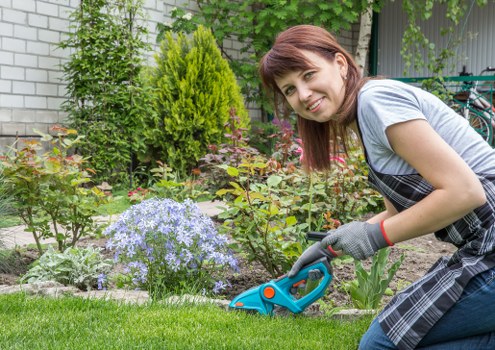
Some hedges need more than routine tidying. When growth has moved beyond the intended size, trimming may involve careful reduction to bring back a manageable profile without stripping the hedge too severely in one visit. Boundary hedges can also be shaped to improve symmetry, restore straight edges, and make space for adjoining paths, fences, or planting. The approach depends on how established the hedge is and how much growth can be removed responsibly.
We can also help with hedges that have become uneven after partial dieback, previous overcutting, or irregular growth at the base. In those cases, the work may focus on balancing the outline first, then refining the top and sides so the hedge reads as one structure rather than a collection of separate sections. If you are deciding how much work is needed, our garden maintenance page is useful for seeing how trimming fits alongside other routine outdoor care.
Where a hedge is part of a wider garden design, the final shape should complement surrounding features rather than dominate them. That may mean leaving a slightly softer top on a less formal boundary, maintaining a crisp right angle along a front line, or preserving height at one side while opening a view elsewhere. The point is not to cut everything the same way, but to create a result that looks intentional and suits the setting.
What influences the trimming approach
Several practical factors affect how hedge trimming is carried out. Species, density, height, accessibility, and the amount of previous growth all matter, as does the finish you want to keep. A low decorative hedge can usually be refined more precisely than a tall screening hedge, while older, thicker growth may need a slower, more considered approach. We take these details into account before work begins so the cut is appropriate to the hedge rather than rushed toward a single standard outcome.
A useful enquiry usually includes the hedge type, approximate length, whether both sides need attention, and whether the top is to be levelled or reshaped. If any sections are particularly dense, uneven, or difficult to reach, it helps to mention that too. You do not need to over-prepare; a simple description and a few clear details are normally enough to begin a proper quotation conversation. Clear information saves time and helps set expectations on the scope of work.
When a hedge is linked to other outdoor jobs, it can be sensible to think about them together rather than in isolation. For example, trimming may be easier to plan alongside tidying surrounding borders or clearing cuttings from a wider garden area. If that is relevant, our garden clearance page shows how we handle broader removal work, while the hedge service stays focused on the cutting and shaping itself.
Front Gardens, Privacy Screens and Neat Street-Facing Lines
Street-facing hedges often need a different standard of finish from hedges hidden at the rear of a property. They frame entrances, shape the first impression of the garden, and can affect sightlines from pavement or driveway. We trim these features with an emphasis on clean edges, balanced height, and a tidy outline that looks deliberate from both near and far. That often means paying special attention to the top line and the outer face of the hedge.
Privacy hedges also deserve careful handling, because their value lies not only in appearance but in how well they screen views without becoming too bulky. A hedge that has grown too wide can encroach on paths or light, while one that has been cut unevenly may leave gaps that take time to recover. The right trimming keeps the hedge functional as a screen while still giving it a smart, maintained look. If the boundary forms part of a larger redesign, our landscaping page may also be relevant.
Waste Handling and Finish After Cutting

Cutting a hedge is only part of the job. Once the trimming is complete, there are clippings to collect and the working area to leave in a usable condition. We can clear the cut material as part of the service so paths, borders, patios, and lawns are not left with loose debris. This matters especially after larger reductions, where the volume of material may be substantial and the hedge line is only one part of the overall finish.
Depending on the size and density of the hedge, the work can also leave a lot of fine material in surrounding planting. A good finish means checking those areas carefully rather than stopping once the main branches are removed. We aim for a result that looks tidy from the front but is also practical in daily use, so doors, gates, and walking routes remain unobstructed. Where branches are heavier or the hedge has old growth at the base, the clean-up stage needs as much attention as the cutting itself.
For customers who want to combine hedge work with other garden tasks, our lawn mowing page can be useful alongside trimming where grass edges and boundary lines need a consistent look. The same applies to places where a hedge is being maintained as part of a larger seasonal tidy-up rather than as a one-off isolated job.
How to Prepare a Hedge Trimming Enquiry
When you ask for a quotation, it helps to share a few practical details so the scope is clear. Mention the approximate length and height of the hedge, whether you need one side or both sides trimmed, and whether the work includes shaping, reduction, or simple maintenance cutting. If there are access issues such as narrow side passages, steep ground, or limited parking nearby, that information can also be useful when the job is reviewed.
Photos can be helpful when the hedge is tall, very dense, or uneven, because they show the outline and the amount of work involved more clearly than a short description alone. You do not need a formal survey to begin; a straightforward message with a few images and your preferred timing is usually enough to start the quotation process. If you are ready to take the next step, use the contact details on our site and ask for a hedge trimming quote.
Related Outdoor Work Around the Hedge Line
Hedge trimming often sits alongside other practical garden tasks, especially where shrubs, borders, trees, and lawns all meet in the same area. A boundary that has become untidy may need more than a cut to the hedge itself: overhanging branches might require attention, stray growth can be checked back, and the surrounding area may benefit from general tidying. Keeping these jobs coordinated avoids an end result where the hedge is neat but the rest of the garden still looks unfinished.
If trees are encroaching on a hedge line or limiting light to the boundary, our tree lopping and removal page may be worth reviewing before you decide on the work plan. Where the main issue is a broader refresh rather than hedge cutting alone, the landscape gardening page can help you think about more extensive changes to the layout and planting around the hedge.
These related services are not a substitute for hedge trimming, but they can make the whole outdoor area easier to maintain once the main cutting is complete. In practice, the best result is often achieved when the hedge line, the ground beneath it, and the neighbouring features are considered together rather than separately.
Commercial and domestic hedge trimming
We work on hedge trimming projects that suit a range of property types, from front gardens and side returns to more functional boundaries at business premises. For domestic customers, the emphasis is usually on appearance, privacy, and keeping access routes clear. For commercial settings, the priority may be a consistently neat edge that presents well to visitors, staff, or passers-by. In both cases, the same principles apply: careful cutting, proportionate shaping, and a finish that supports the site rather than distracting from it.
Where a hedge is part of a communal or managed outdoor area, the work sometimes needs to be coordinated with other routine tasks so the site remains orderly between visits. That can involve keeping a fixed line along paths, staying within agreed boundaries, or maintaining a uniform profile across multiple sections. If you are reviewing routine care options more widely, our hedge trimming service page remains the central place for this work, while about us gives a broader sense of the business pages available.
For a quotation, send the hedge details and tell us what outcome you want from the cut. If you would like to compare the likely scope with other garden work, our contact us page is the best place to make that final enquiry and request a hedge trimming quote.
About Wimbledon
Wimbledon is a district in southwest London best known internationally for the Championships at the All England Lawn Tennis and Croquet Club, but its character extends well beyond tennis lawns and summer crowds. The area sits on the slope of Wimbledon Hill and includes a mix of busy centres, residential streets, green spaces, and transport links that connect it to the rest of the capital. Wimbledon Common is one of the district’s most recognisable open areas: a large expanse of heath and woodland that offers paths, ponds, and wide views, and has long been valued as a landscape preserved for public recreation. The common’s scale helps explain why Wimbledon feels greener than many parts of inner London, with open ground close to established shopping streets and homes. Wimbledon Village, with its older street pattern and independent shops, gives a strong sense of the district’s long development, while Wimbledon town centre reflects later commercial growth around the railway and transport interchange. The area also has a notable architectural mix, from period houses and terraces to later housing and civic buildings, which reflects changing patterns of suburban expansion over time. Cultural life is supported by theatres, cinemas, local venues, and a steady calendar of sporting and community activity, while nearby parks and the banks of the River Wandle in the wider borough add further variety to the local landscape. Together these elements make Wimbledon a place where historic identity, active leisure, and everyday urban life sit close together rather than in separate parts of the district.
Hedge Care That Fits the Site
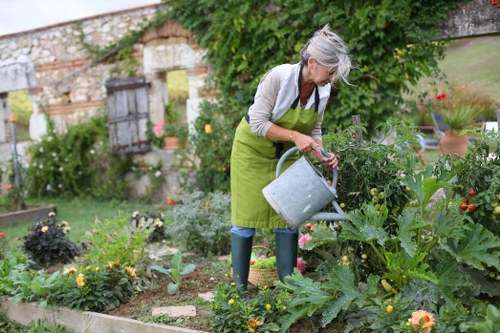
A well-trimmed hedge should suit the property rather than look cut back for its own sake. That means balancing height, width, and shape so the hedge continues to do the job you need it to do. Some hedges are kept tight and formal; others work better with a less rigid outline that still looks deliberate. We adapt the trimming to the hedge’s role, whether that role is screening, framing, dividing spaces, or simply keeping a garden edge neat through the growing season.
There are also practical reasons to avoid overcutting. Removing too much growth too quickly can leave the hedge looking sparse, especially on older material or varieties that do not respond well to harsh reduction. A steadier approach can preserve density and reduce the risk of an uneven recovery. If you are planning wider garden changes, our decking services page may also be relevant where edging, access routes, and adjoining outdoor features need to work together.
We can also discuss the likely sequence of work if a hedge needs more than one visit to reach the preferred finish. In some cases, the best result comes from returning the hedge gradually to a sharper outline rather than forcing a major reset in one session. That is especially true where a hedge has been left to grow out for a while and now needs a careful, measured restoration.
Finishing Touches and Ongoing Maintenance
After the main cut, smaller adjustments often make the difference between a hedge that merely looks shortened and one that looks properly maintained. These finishing touches can include tidying stray shoots, checking the line from a distance, and refining awkward corners where one section meets another. A final review helps make sure the hedge works visually from the main viewpoints used day to day, not just from the position where the cutting was done.
Ongoing maintenance is usually simpler than periodic major corrective work. A hedge that is trimmed at sensible intervals tends to keep a better shape, need less drastic reduction, and remain more manageable around gates, paths, and planting beds. If you are preparing a broader outdoor maintenance plan, our garden maintenance service can sit alongside hedge trimming to keep the site consistently tidy through the year. Regular care is often the most practical way to protect the finished look.
When you are ready to move ahead, send the hedge size, location, and a brief description of the finish you want. The final step is simple: ask for a quote and we will help you turn the job into a clear plan.