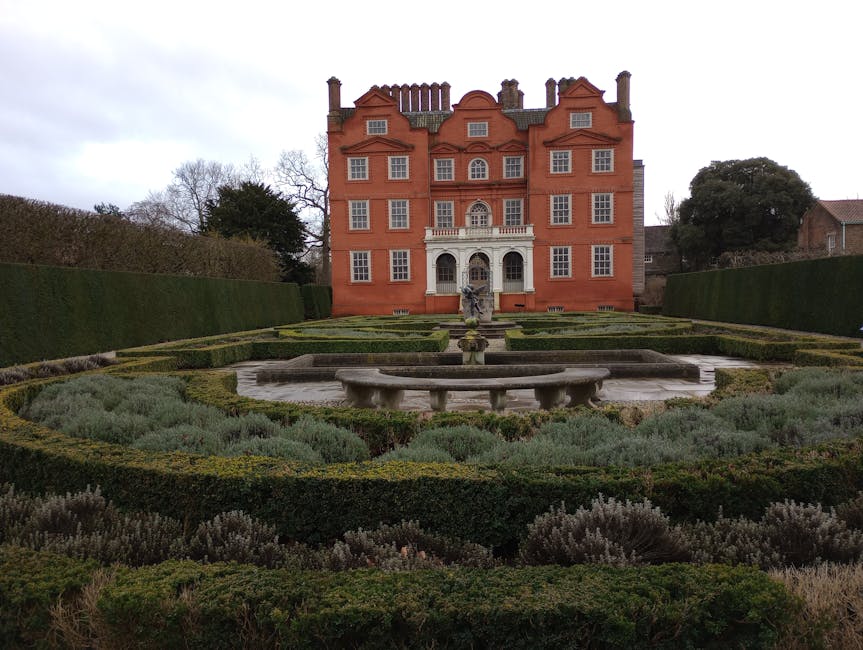
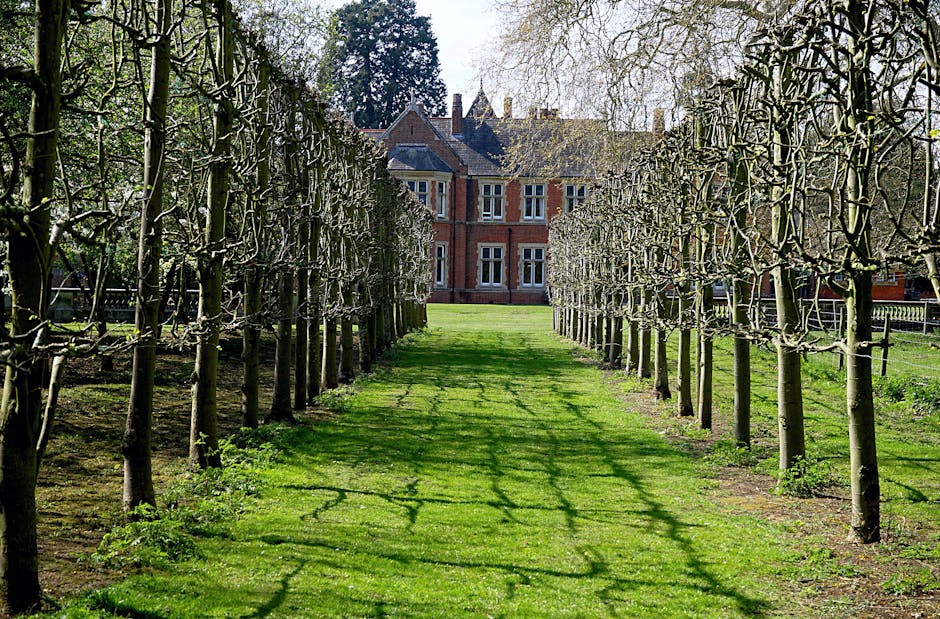
Wimbledon Village gardeners for period property gardens
Period gardens in Wimbledon Village have a particular charm. They sit behind elegant facades, old brickwork, mature trees, clipped hedges and brick paths that have seen decades of use. But that charm can turn into a headache if the garden starts to feel tired, overgrown, or out of step with the house itself. The right Wimbledon Village gardeners for period property gardens understand that balance: keeping things healthy, tidy and usable while protecting the character that makes the property special in the first place.
If you own, rent, manage, or are simply looking after a heritage-style garden in this part of London, you probably already know the basics are not the whole story. It is not just about mowing the lawn and trimming a few shrubs. It is about sympathetic planting, seasonal rhythm, careful pruning, soil condition, and avoiding modern interventions that look jarring beside older architecture. Truth be told, the best results usually come from gardeners who can read a garden, not just maintain it.
Below, you will find a practical guide to what makes period property gardens different, how local gardeners approach them, and how to choose a service that genuinely suits a Wimbledon Village home. Along the way, we will cover common mistakes, realistic expectations, useful standards, and the next sensible step if you want the garden to look right without losing its soul.
Table of Contents
- Why Wimbledon Village gardeners for period property gardens Matters
- How Wimbledon Village gardeners for period property gardens Works
- Key Benefits and Practical Advantages
- Who This Is For and When It Makes Sense
- Step-by-Step Guidance
- Expert Tips for Better Results
- Common Mistakes to Avoid
- Tools, Resources and Recommendations
- Law, Compliance, Standards, or Best Practice
- Options, Methods, or Comparison Table
- Case Study or Real-World Example
- Practical Checklist
- Conclusion
- Frequently Asked Questions
Why Wimbledon Village gardeners for period property gardens Matters
Period gardens ask for a different kind of care. A Victorian terrace garden, a Georgian-inspired courtyard, or a larger Edwardian plot may all share one thing: they look best when the planting and maintenance feel in tune with the house. Wimbledon Village is full of homes where the outside space is not a separate feature. It is part of the property's character, and sometimes part of its value too.
That is why specialist gardeners matter. They help preserve the soft, established look that period gardens need, while also keeping the space functional for modern life. A good gardener will notice details a casual maintainer might miss: an old wall that needs breathing room, roots competing under a border, or a box hedge that needs lighter, more careful shaping rather than a hard cut. To be fair, those are the little things that stop a garden from looking battered after a few seasons.
There is also a practical side. Period gardens can be more demanding than newer ones because mature trees cast shade, soils may be compacted over time, and old layouts often hide drainage issues. A knowledgeable gardener can work with the site rather than fighting it. That usually means less waste, fewer costly mistakes, and a garden that feels settled rather than constantly reset.
For homeowners comparing broader services, it can help to look at related local support such as garden maintenance, garden design, and landscaping so you can see where routine care ends and a larger improvement project begins.
Key point: in a period setting, gardening is not only about appearance. It is about preserving proportion, texture, and the quiet sense of history that makes the property feel right.
How Wimbledon Village gardeners for period property gardens Works
Most specialist garden care starts with an assessment. That sounds simple, but a proper visit should involve more than a quick look around. The gardener should understand what the garden is trying to do, what the site is fighting against, and what you want from it day to day. Do you want a formal front garden with crisp edges? A private, softer back garden for family use? A planted space that looks good all year, even in February when London can feel grey and damp? These details matter.
In period gardens, the process often includes:
- Reviewing the garden's structure, such as paths, walls, steps, hedges and focal points.
- Checking soil condition, drainage, shade and root competition.
- Identifying plants that suit the style of the property, not just the climate.
- Creating a maintenance plan that respects seasonal rhythms.
- Deciding where light restoration or selective replanting will have the biggest impact.
Some homes need ongoing maintenance only. Others need a reset first: pruning, border renovation, soil improvement, weed suppression, or a better planting scheme. The best Wimbledon Village gardeners for period property gardens know when to do less, not more. Sometimes a border just needs breathing space and good structure. Sometimes it needs a complete rethink. No drama, just judgement.
You may also see a split between regular care and project work. Routine work usually keeps the garden looking neat and healthy. Project work may include restoring old beds, reshaping a hedge line, or improving access. If you are unsure which route suits your home, a conversation with a local team can be useful before anyone starts digging.
Key Benefits and Practical Advantages
There are obvious benefits to professional garden care, but the real value in period properties often lies in the less obvious ones.
| Benefit | What it means in practice | Why it matters for period homes |
|---|---|---|
| Sympathetic maintenance | Pruning, shaping and planting are done with the property's style in mind | Prevents the garden from looking out of place or overworked |
| Better plant health | Issues like shade, poor soil or overcrowding are addressed early | Helps established gardens stay resilient through the seasons |
| Improved kerb appeal | Front gardens, entrances and sightlines are kept polished | Supports the first impression of a heritage-style home |
| Less costly repair work later | Small problems are managed before they become major ones | Useful where mature planting or old structures can be expensive to replace |
| Year-round usability | Planning keeps the garden attractive beyond summer | Important for families and hosts who use the space regularly |
There is also a quieter benefit: confidence. When you know the garden is being handled properly, you stop second-guessing every shrub or patch of lawn. That sounds small, but it changes how the home feels. You notice the scent of clipped lavender near the path, the way a yew hedge holds the space together, and the simple pleasure of looking out of the kitchen window and seeing something orderly, green and alive.
If you are improving the wider property as well, it can be worth checking services like tree work, hedge trimming and turfing because mature boundaries and worn lawns often affect the overall look as much as the beds do.
Who This Is For and When It Makes Sense
This type of garden care is a good fit for several kinds of people.
- Homeowners of period properties who want the garden to suit the age and style of the house.
- Busy families who love having a beautiful garden but do not have the time to maintain it properly.
- Property managers or landlords looking after high-value homes where presentation matters.
- New buyers who have inherited an established garden and need help understanding what is there.
- Long-term residents who want to refresh a tired garden without stripping out its character.
It makes particular sense when a garden has become a bit muddled. Maybe there are shrubs planted too close together. Maybe the border has lost shape. Maybe a once-elegant front garden now feels overgrown and uneven. Or maybe everything is technically healthy, but the planting no longer suits the house. That happens more often than people admit.
It is also worth considering specialist help if you have an outdoor space that is visible from the street, sits within a conservation-minded streetscape, or includes older masonry, mature trees or inherited hard landscaping. These settings tend to reward a lighter touch and punish careless shortcuts. Not always immediately, but they do.
Step-by-Step Guidance
If you are approaching a period garden for the first time, a simple, ordered process helps. Here is the kind of approach a thoughtful local gardener would usually take.
- Walk the garden carefully. Look at structure first: walls, paths, gates, sightlines, trees, hedges and focal points.
- Identify what is working. Some older planting may be worth keeping even if the rest needs attention.
- Check light, soil and drainage. Shady corners, heavy clay or compacted soil often explain why certain plants struggle.
- Separate urgent tasks from long-term improvements. Safety, access and plant health come before cosmetic changes.
- Decide the garden's style. Formal, relaxed, traditional, wildlife-friendly, or a blend? Period homes often suit a restrained approach.
- Create a seasonal plan. Spring, summer, autumn and winter each ask for different attention.
- Introduce changes gradually. Especially with mature gardens, too much at once can erase the character you actually want to keep.
- Review the result after a season. Good gardens evolve. A borderline area that looked fine in May might need adjustment by September.
A practical example: if a Wimbledon Village front garden has a clipped hedge, a small lawn and mixed border planting, the first priority may be restoring the hedge line and edge definition. That alone can make the whole frontage look smarter. Then the borders can be simplified and refreshed over time rather than ripped out in one go. It is a calmer, more reliable way to work.
If your garden also needs structural improvement, a useful next read is residential garden services or the broader garden design page, especially if you are balancing maintenance with a bigger redesign.
Expert Tips for Better Results
In period gardens, the details are everything. Small choices make a bigger difference than people expect.
1. Keep the planting palette disciplined
Too many plant types can make an older garden feel visually noisy. Repeating a few textures and colours across the space usually looks calmer and more authentic. Think clipped evergreens, reliable perennials, seasonal bulbs and one or two accent plants rather than a crowd of one-offs.
2. Protect the garden's lines
Older properties often look best when edges, hedge tops, borders and paths are neat. A tiny change in alignment can throw off the whole feel. It sounds fussy. It is fussy, frankly. But that is often the point.
3. Prune with restraint
Heavy pruning can make a period garden look hacked about for months. Selective, well-timed pruning is usually better, especially for established shrubs and small trees. If you are not sure, it is safer to cut less and review later.
4. Work with shade instead of fighting it
Many Wimbledon Village gardens have mature trees or neighbouring buildings that reduce sunlight. Rather than forcing sun-loving plants into poor conditions, choose species that are comfortable in partial shade. Less stress for the plants, less work for you.
5. Keep a seasonal diary
A few notes on what blooms, where water sits after rain, or which border looks tired by late summer can be incredibly useful. Nothing fancy. Just a notebook or phone note. In the long run, this can save a lot of guessing.
And a small human truth: the best gardens rarely happen in one grand burst. They come from a series of sensible decisions, made at the right time, with a bit of patience. Which, to be honest, is not the worst lesson for anything in life.
Common Mistakes to Avoid
Period property gardens are easy to spoil in subtle ways. Most mistakes are not dramatic. They are just a little too much of the wrong thing.
- Over-pruning mature plants. A hard cut can remove the shape that gives the garden its character.
- Replacing everything at once. A full clear-out may look tidy for a week, then the garden can lose depth and identity.
- Choosing plants for fashion rather than fit. A plant that looks good in a magazine may struggle in a shaded London border.
- Ignoring soil condition. If the soil is tired or compacted, even expensive planting will underperform.
- Letting lawns become the main problem. In many period gardens, the lawn is the most visible signal of care or neglect.
- Using harsh materials that clash with the house. Bright plastic edging or overly modern features can sit awkwardly beside older brick and stone.
- Assuming every old feature must stay. Some elements are worth preserving; others are just old. There is a difference.
One of the biggest errors, honestly, is making the garden easier to maintain by flattening its personality. That sounds efficient, but it often leaves the space feeling anonymous. The goal should be manageable, not bland.
Tools, Resources and Recommendations
The best tools are the ones that support careful work rather than brute force. For period properties, that tends to mean clean, precise maintenance rather than heavy machinery doing all the thinking.
Useful tools
- Sharp secateurs for selective pruning
- Long-handled shears for hedges and topiary
- Border forks for aerating compacted soil
- Edging tools for keeping lines crisp
- Mulch and compost for improving soil structure
- Simple irrigation or watering systems where beds dry out quickly in summer
Useful supporting services
Depending on the state of the garden, you may also benefit from related services such as garden clearance if a space needs reclaiming, or planting services if you want a more cohesive scheme. For properties with mature boundaries, tree surgery can sometimes be necessary before the garden will settle properly.
What to ask before work begins
- Which plants will be kept, reduced, moved or removed?
- How will the garden look immediately after the work, and how will it settle later?
- Will the plan suit the light and soil conditions, or does it assume a perfect site?
- How often should the garden be visited or reviewed?
- What maintenance will be needed after the first season?
Those questions sound basic, but they reveal a lot. A thoughtful gardener should be able to answer them clearly, without hiding behind jargon.
Law, Compliance, Standards, or Best Practice
For most domestic gardens, the main concern is not heavy regulation but good practice, neighbourly awareness and safe working. That said, period properties in Wimbledon Village may involve older trees, boundary features, shared access, or homes close to sensitive streetscapes. So a careful approach matters.
Here are the main points to keep in mind:
- Tree and hedge work: if mature trees are involved, make sure work is planned carefully and, where relevant, checked against any local restrictions or protections.
- Wildlife considerations: nesting birds and other protected wildlife should be treated with care, especially during the main nesting season. A professional should know to check before cutting or disturbing habitat.
- Boundary and neighbour issues: overhanging branches, shared hedges and roots near boundaries should be handled diplomatically and sensibly.
- Health and safety: access, ladders, power tools and larger pruning jobs should be managed by competent people using appropriate equipment.
- Waste removal: garden waste should be dealt with responsibly and in line with local expectations, not simply dumped or burned without thought.
Best practice is often more important than strict minimum compliance in a heritage-style garden. That means careful timing, modest intervention, and respect for existing features. If a gardener talks as though every problem needs a fast fix, that is usually a warning sign rather than a reassurance.
Options, Methods, or Comparison Table
Different gardens need different approaches. Here is a simple comparison to help you think through the options.
| Approach | Best for | Pros | Trade-offs |
|---|---|---|---|
| Routine maintenance | Gardens already in decent shape | Simple, steady, cost-conscious | May not solve deeper planting or soil issues |
| Restoration-first | Overgrown or neglected period gardens | Quick improvement to structure and usability | Needs careful judgement to avoid stripping character |
| Design-led maintenance | Gardens needing a clearer style | Helps bring planting and structure together | Usually takes longer to reach the final look |
| Phased renewal | Established gardens with some good features already | Balances continuity with improvement | Requires patience and a longer-term view |
If you are undecided, phased renewal is often the safest option. It lets you preserve the strongest elements while testing what works in practice. That matters in older gardens where first impressions can be misleading.
Case Study or Real-World Example
Consider a typical Wimbledon Village property with a modest front garden and a deeper rear space. The front area has a clipped hedge, a small lawn, and a few established shrubs that have become uneven over time. The rear garden has a mature tree, patchy lawn, a border that gets afternoon shade, and a path that disappears behind overgrowth by late summer.
A sensible gardener would not start by removing everything. Instead, they might:
- Re-establish the hedge line and sharpen the borders at the front.
- Lift and thin congested shrubs rather than replacing them immediately.
- Improve the shaded rear border with plants that handle lower light.
- Restore lawn edges and improve the path access so the garden feels usable again.
- Mulch the beds and set out a seasonal maintenance plan.
What changes first? Usually the sense of order. The garden stops looking like a series of separate problems and starts reading as one space again. After that, the planting can develop naturally. In a couple of seasons, the whole place often feels calmer, fuller and more intentional.
That kind of result is not flashy. It is better than flashy.
Practical Checklist
Use this checklist before you book or brief a gardener for a period property garden in Wimbledon Village.
- Have you identified the parts of the garden that must be preserved?
- Do you know whether the priority is maintenance, restoration, or redesign?
- Have you checked how much sun and shade the garden gets through the day?
- Are there mature trees, old walls, or hard landscaping features that need special care?
- Do you want a traditional look, a softer natural look, or a blend of both?
- Have you thought about how often the garden will need ongoing visits?
- Do you know which areas are most visible from the house or street?
- Have you asked how waste, access, and seasonality will be handled?
- Are you clear on what should happen now versus what can wait until next season?
- Have you looked at related services such as commercial gardening if the property is managed professionally, or seasonal garden care if you want a more structured plan?
Expert summary: the best outcome usually comes from matching the method to the garden's age, structure and light conditions, then improving it gradually rather than forcing a complete transformation.
Conclusion
Choosing Wimbledon Village gardeners for period property gardens is really about choosing judgement. Any competent team can mow, trim and tidy. The difference is in how they handle character, timing and restraint. Older gardens reward that sort of care. They need someone who can see what is worth keeping, what needs strengthening, and what would look better left alone for a while.
If you want your garden to feel right beside a period home, think long term. Keep the structure tidy, the planting balanced, and the interventions measured. That approach usually lasts better, looks better, and feels calmer too. And let's face it, a garden that feels calm when you step outside on a busy weekday morning is no small thing.
Get a free quote today and see how much you can save.
With the right care, an older garden does not have to feel fragile or fussy. It can feel settled, elegant and genuinely lived in - which, in the end, is what makes it special.
Frequently Asked Questions
What makes period property gardens different from modern gardens?
Period gardens usually have more established structure, older planting, mature trees or hedges, and design details that need a lighter touch. The goal is often to preserve character while improving health and usability.
How often should a period garden in Wimbledon Village be maintained?
That depends on size, planting style and how quickly the garden grows, but many period gardens benefit from regular visits through the main growing season and lighter checks in quieter months.
Can older shrubs and trees usually be saved?
Often, yes. A good gardener will assess whether pruning, thinning, soil improvement or repositioning nearby planting could restore them. Not everything old is past its best.
Is it better to redesign a period garden or keep the original layout?
It depends on the condition of the space. If the layout still works, gentle restoration is often the smartest route. If the structure no longer suits the property, a phased redesign may be more appropriate.
What should I ask before hiring a gardener for a heritage-style garden?
Ask how they approach pruning, what they would preserve, how they handle shade and soil issues, and whether they have experience with mature or historic-style gardens. Clear answers matter more than polished sales talk.
Will gardening work damage older walls, paving or boundaries?
It should not, if handled carefully. In fact, experienced gardeners usually protect these features by working around roots, using the right tools, and avoiding harsh treatment near fragile edges.
How do I know if my garden needs maintenance or a full refresh?
If the garden is basically healthy but messy, maintenance may be enough. If the planting is overcrowded, tired, or poorly suited to the site, a refresh or phased renewal may be the better choice.
Are there special concerns with mature trees in Wimbledon Village gardens?
Yes. Mature trees can affect light, root competition and access, and they may also be subject to local protections depending on the specific property. A careful assessment is sensible before any major work.
What is the biggest mistake people make with period gardens?
The most common mistake is overdoing it - too much pruning, too many replacements, or a design that ignores the style of the house. Period gardens usually look best when changes are thoughtful and restrained.
Can a small garden still have a period feel?
Absolutely. In fact, smaller gardens can be easier to keep elegant because every detail counts. Structure, repeating plants, good edges and a simple colour palette can create a strong period look without crowding the space.
How long does it take to improve a neglected period garden?
That depends on how neglected it is, but meaningful improvement is often visible after the first round of careful work. The more refined, settled result may take a season or two to fully come together.
Do I need a designer as well as a gardener?
Not always. If the garden mainly needs upkeep, a skilled gardener may be enough. If you want a new layout, major planting changes or a more complete transformation, design input can be helpful.