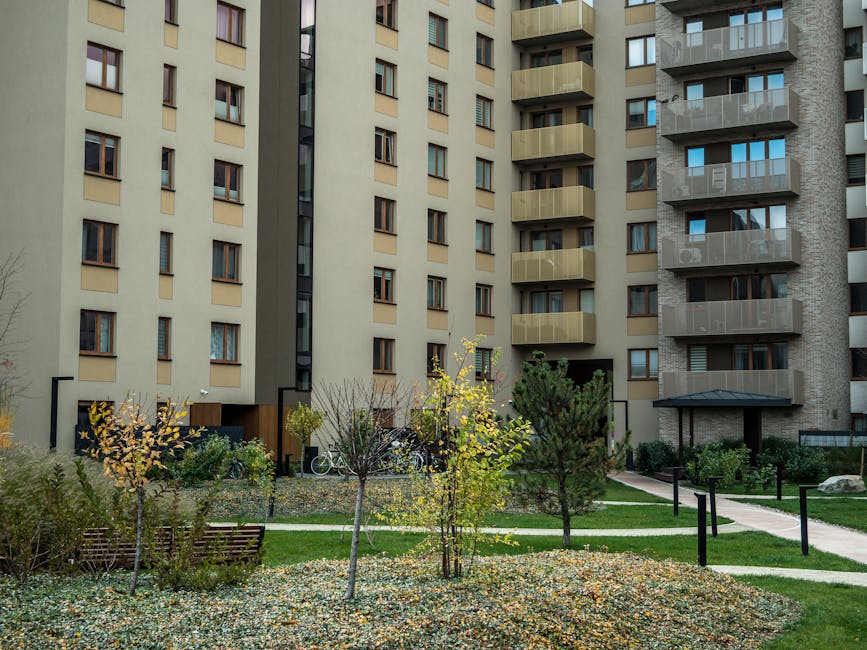
Wimbledon Park estate garden care for communal spaces
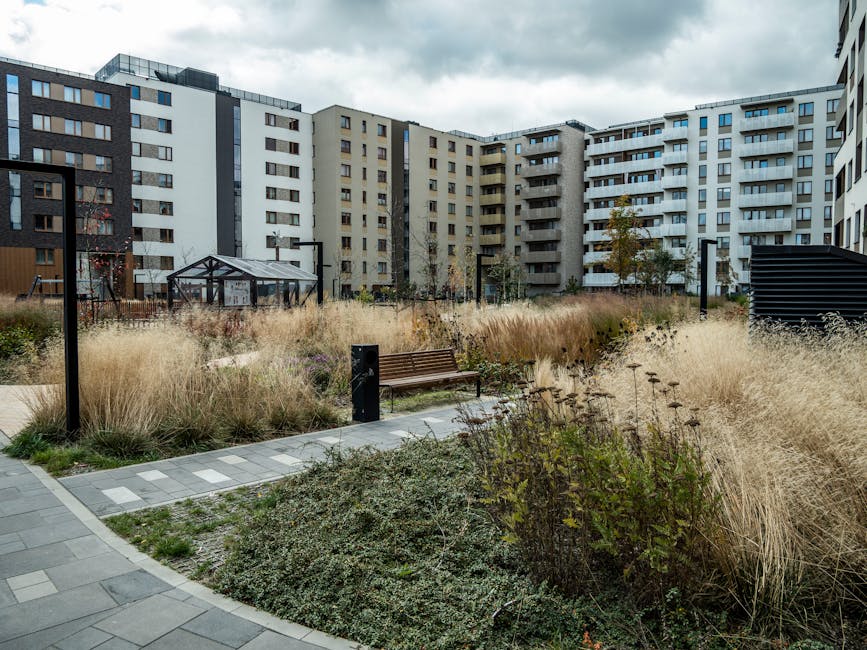
Shared gardens can make a Wimbledon Park estate feel calm, cared for, and a little bit special. But communal spaces are also where problems show up fast: one missed cut, a soggy border, a path edging that starts to fray, and suddenly the whole place looks tired. That is why Wimbledon Park estate garden care for communal spaces needs more than occasional tidying. It needs consistency, sensible planning, and a proper understanding of how shared outdoor areas are actually used.
Whether you are part of a residents' committee, a managing agent, a freeholder, or simply someone who wants the courtyard to look less forgotten and more welcoming, the basics are the same. The job is to keep planting healthy, paths clear, hedges tidy, and shared green areas safe without making the place feel over-managed or stripped of character. In practice, that means balancing appearance, budget, access, and long-term upkeep. Not always simple, to be fair.
This guide breaks down what communal estate garden care involves, how it works, what to ask for, what to avoid, and how to choose a sensible maintenance approach for Wimbledon Park and the surrounding area.
Why Wimbledon Park estate garden care for communal spaces Matters
Communal gardens do a lot of quiet work. They shape first impressions, soften hard landscaping, and make a block of flats or estate feel lived in rather than neglected. In Wimbledon Park, where people often notice the details, the condition of shared green space can influence how residents feel about the whole property. A neat hedge, healthy lawn, and clear border can change the mood of a place almost instantly.
There is also a practical side. Shared garden areas are used by people of different ages and abilities, often at different times of day, and sometimes in unpredictable ways. A path overgrown by shrubs is not just untidy; it can become awkward to pass. A wet, mossy edge near a paved route can turn into a slip hazard. Fallen leaves left to build up will block drains, smother grass, and make everything look a bit unloved.
Good communal garden care also protects the value of the landscape itself. Shrubs grow out of shape if they are ignored. Rose beds become crowded. Trees can cast too much shade, lawns thin out, and once tidy planting beds can slide into that slightly wild, "we'll deal with it next month" state. We have all seen that happen. It rarely improves on its own.
In a shared setting, the stakes are slightly higher because no single household is responsible for making it right. That means the care plan needs clear ownership, regular visits, and realistic expectations. When residents know what is being done and why, complaints drop. Simple, but true.
How Wimbledon Park estate garden care for communal spaces Works
Estate garden care is usually planned around the type of space, the planting, the season, and how the area is used. A compact courtyard with ornamental shrubs needs a different approach from a larger estate green with lawns, hedges, and mature trees. The best maintenance plans are practical rather than flashy.
Typical communal garden care may include:
- Lawn mowing and edging
- Hedge trimming and shaping
- Weed control in beds, borders, and paved edges
- Leaf clearance during autumn and after storms
- Pruning shrubs, climbers, and seasonal plants
- Deadheading and light planting care
- Path and entrance clearance
- Green waste collection and responsible disposal
In most estates, the work is scheduled as a recurring maintenance cycle. That might mean weekly or fortnightly grass cutting in the growing season, less frequent visits in winter, and occasional heavier tasks such as renovation pruning or seasonal tidy-ups. The rhythm matters. If you leave everything too long between visits, the site quickly becomes harder to manage and more expensive to restore.
There is usually a site visit or walkaround first. That is where a good contractor spots the awkward bits: where bins get moved, where residents cut through planted areas, where the soil stays damp, where a hedge is too close to a wall, or where an entrance needs clearer visibility. This is the bit people skip when they want a fast quote, and then wonder why the service feels slightly off later. Funny how that works.
For larger or more sensitive sites, garden care should be coordinated with building management. That includes access arrangements, resident notifications if needed, waste removal timings, and safety checks around tools or machinery. A tidy finish is important, yes, but so is leaving the place usable and respectful of residents' routines.
Key Benefits and Practical Advantages
Shared garden maintenance is not only about appearances. It creates a set of small but meaningful advantages that build up over time.
1. Better kerb appeal and resident pride
People notice neatness. It is human nature. When a communal garden looks cared for, residents often feel more positive about where they live. That can lead to less friction and more willingness to keep shared spaces clean and respected.
2. Safer movement through the estate
Clear sightlines, trimmed edges, and well-kept paths reduce trip points and awkward obstacles. On a damp morning, that makes a bigger difference than most people realise.
3. Healthier planting over time
Routine pruning, feeding where suitable, and proper seasonal maintenance help plants stay resilient. A lot of the damage in communal spaces comes from neglect, not dramatic one-off incidents.
4. Easier budgeting
Planned maintenance is easier to budget for than emergency catch-up work. It is far cheaper to stay on top of weeds and hedges than to reverse months of overgrowth.
5. Fewer resident complaints
Clear schedules and predictable upkeep reduce "why hasn't this been done?" conversations. That alone can save a managing agent a fair bit of time.
6. Better seasonal response
Autumn leaf fall, spring growth spurts, summer dry spells, and winter damp all affect communal gardens differently. A good plan responds to the season rather than pretending every month is the same.
Practical takeaway: the best communal garden care is not the most dramatic one. It is the kind that keeps the site consistently tidy, safe, and pleasant without drawing attention to itself.
Who This Is For and When It Makes Sense
This kind of garden care is usually relevant wherever outdoor space is shared by more than one household or building user. That includes residential blocks, managed estates, apartment courtyards, and mixed-use developments with planted areas that need regular attention.
You may need a more structured approach if any of the following sound familiar:
- Residents are unsure who is responsible for garden upkeep
- Grounds look fine after a tidy-up but slide back quickly
- Hedges, shrubs, or lawn edges are starting to obstruct access
- The site has seasonal issues such as leaf build-up or heavy shading
- You need a contractor who can work around residents calmly and safely
- The existing arrangement feels reactive rather than planned
It also makes sense when the garden is part of the estate's reputation. Shared outdoor areas often form the first thing visitors see, especially in places with strong residential character like Wimbledon Park. If the planting is well looked after, the whole site feels more settled. If not, people tend to notice that too.
Residents' associations and managing agents often benefit most from a clear maintenance schedule because it gives everyone something to refer back to. Instead of debating whether the work is "needed," you can look at the plan, the season, and the actual condition of the site. Much better. Less guesswork.
Step-by-Step Guidance
If you want communal garden care to run smoothly, it helps to break the process into sensible steps. There is no glamour in it, but there is a lot of value in doing the basics properly.
Step 1: Walk the site properly
Start with a full walkaround in daylight. Look at entrances, lawn edges, hedges, planting beds, bin areas, paths, fences, shaded corners, and any spots where residents naturally cut through. Pay attention to damage, drainage issues, and areas that feel underused or awkward.
Step 2: Identify the maintenance priorities
Not every part of the garden needs the same level of attention. A front-facing hedge may need sharper definition than a quieter back border. Decide what matters most: presentation, safety, biodiversity, access, or a balance of all four.
Step 3: Set a realistic schedule
Weekly, fortnightly, monthly, and seasonal tasks all have different roles. A good estate plan will separate routine care from occasional heavier work. That keeps costs and expectations in line.
Step 4: Agree the scope in plain English
Spell out what is included. For example, does the service cover leaf clearance from planted beds as well as paths? Is hedge shaping included or just trimming? Are weeding and green waste removal included? Clarity prevents awkward surprises later.
Step 5: Keep access and communication simple
Communal spaces often need coordination. Residents may need notice before major work, or access gates may have specific arrangements. A good provider will keep this straightforward and respectful, not turn it into a drama.
Step 6: Review after the first few visits
Check whether the site actually looks better, not just whether the job was marked as done. Ask whether any areas need more attention or less intervention. This is where small adjustments improve the whole arrangement.
Step 7: Build in seasonal resets
Spring and autumn are usually the moments when estates benefit most from a review. Spring is for growth and recovery. Autumn is for leaf fall, cutbacks, and getting ahead of winter mess.
Expert Tips for Better Results
There are a few habits that consistently improve communal garden care, and they are not complicated. They are just easy to overlook when everyone is busy.
- Trim for shape, not just for height. Hedges and shrubs look much better when the line is clean and the growth is balanced, rather than clipped in a rush.
- Keep paths and edges separate from planting tasks. If you treat access routes as part of the maintenance plan, the whole site feels safer and easier to use.
- Protect the character of the space. Some communal gardens should look crisp and formal; others benefit from a softer, greener feel. The trick is to manage, not sterilise.
- Use seasonal timing sensibly. Pruning at the wrong time can affect flowering or nesting habitats. A careful gardener does not just cut because the plant is there.
- Watch the overlooked areas. Behind bins, by side gates, under shrubs, and along fence lines are the places that quietly go downhill first.
- Ask for small, regular jobs to be included. Little things like deadheading, sweeping, and light weed control save bigger headaches later.
One practical detail many people miss: communal spaces need a slightly softer hand than private gardens because there is constant movement through the site. Residents, cleaners, delivery drivers, children, bikes, bins, prams - all of it. The layout matters just as much as the planting. Sometimes more, honestly.
If the garden feels cramped, overgrown, or uneven in one section, solve that section first. You do not need a grand redesign to improve the whole site. A better edge line and a cleared corner can make a surprising difference.
Common Mistakes to Avoid
Shared garden care goes wrong in fairly predictable ways. The good news is that most of them are avoidable once you know what to look for.
Waiting until everything looks bad
This is the most common mistake. A communal garden often seems "fine enough" right up until it is not. Then you need more labour, more waste removal, and a more disruptive visit. Routine care is cheaper and less stressful.
Being vague about the scope
If nobody has clearly said whether hedge trimming, pruning, or weed control is included, misunderstandings are almost guaranteed. Vague agreements create vague results.
Ignoring the difference between tidying and maintenance
A quick cut can make a site look better for a week, but maintenance keeps it healthy over months. There is a difference, and it matters.
Over-pruning or over-mowing
Some estate teams want everything clipped hard because they think it means less future work. In reality, overcutting can stress plants and make the space look harsh. You want tidy, not brutal.
Forgetting residents' use patterns
Common pathways, quiet corners, and entrance routes all need different treatment. If people naturally walk through a certain strip of grass, maybe the layout needs a rethink rather than endless repairs.
Choosing price alone
Cheap quotes can be tempting. Let's face it, budgets are real. But the lowest price often leaves out important details like green waste removal, seasonal care, or proper site visits. Then the "cheap" option stops being cheap.
Tools, Resources and Recommendations
You do not need a shed full of specialist kit to understand what good communal garden care looks like, but it helps to know what should be used and why.
| Area of Care | Common Tools or Methods | Why It Matters |
|---|---|---|
| Lawns | Mower, trimmer, edging tools | Keeps grass neat, safe, and easier to maintain |
| Hedges | Hedge trimmer, hand finishing | Creates a clean line without damaging plant health |
| Borders | Hand weeding, mulching, light cultivation | Controls weeds and supports healthier planting |
| Leaves and debris | Blower, rake, collection sacks | Prevents slips, blocked drains, and smothered beds |
| Pruning | Secateurs, loppers, saws where appropriate | Reduces damage and keeps shrubs in shape |
Alongside tools, there are a few resources that should sit behind any sensible estate care plan. A site log helps track what has been done and when. A seasonal calendar helps avoid missed tasks. Photos from site visits can be useful too, especially if more than one person is approving the work.
If you are comparing providers, it is worth looking at their wider approach rather than just the headline service. Helpful pages to review include the full services overview, pricing and quotes, and the company's about us information. If you want to understand how a business handles care, responsibility, and public-facing standards, those pages usually tell you a lot.
For practical reassurance around policies and trust, it is also sensible to check health and safety guidance, insurance and safety information, and the recycling and sustainability page. None of that is decorative. It tells you how seriously a provider takes shared spaces.
Law, Compliance, Standards, or Best Practice
Communal garden work in the UK usually sits within a broader responsibility to keep shared areas reasonably safe, well maintained, and suitable for residents and visitors. The exact obligations depend on the property structure, management arrangements, and the nature of the site, so it is wise to avoid overclaiming or assuming one-size-fits-all rules.
Best practice normally includes:
- Clear responsibility for maintenance tasks
- Reasonable inspection and upkeep of access routes
- Safe use of tools and machinery
- Thoughtful scheduling around residents and visitors
- Proper disposal or recycling of green waste where suitable
- Respect for neighbouring properties and shared access points
Where contractors are involved, it is sensible to expect appropriate insurance, safe working methods, and a willingness to explain how the work will be carried out. That is not overcautious. It is just good management. A tidy estate is nice; a safe tidy estate is better.
For providers, supporting policies matter too. A professional business should be comfortable pointing clients to its terms and conditions, privacy policy, complaints procedure, and payment and security information. Those pages are not just paperwork; they show whether the service is properly organised.
If accessibility is part of the conversation, it can also be helpful to review the provider's accessibility statement. Communal outdoor spaces should work for as many residents as possible, and accessibility should not be an afterthought.
Options, Methods, or Comparison Table
Different estates need different care models. Here is a straightforward comparison to help you think about the best fit.
| Approach | Best For | Strengths | Limitations |
|---|---|---|---|
| Ad hoc tidy-ups | Very small or low-use shared areas | Quick, flexible, simple to arrange | Can become inconsistent and reactive |
| Monthly maintenance | Low to medium pressure sites | Predictable and budget-friendly | May not be enough in peak growing season |
| Fortnightly seasonal care | Most residential communal gardens | Balances appearance, health, and cost | Needs a clear scope and good communication |
| Weekly intensive care | Prominent or heavily used estates | Keeps sites consistently polished | Higher cost, sometimes more than is needed |
In many Wimbledon Park settings, fortnightly or seasonal-based care tends to be the sweet spot. It is regular enough to stop the garden slipping, but not so intense that it becomes unnecessary micromanagement. Of course, site conditions vary. A shady courtyard with heavy leaf fall is different from an open lawn near an entrance.
If you are deciding between approaches, ask one simple question: what would the space look like if nobody touched it for six weeks? That usually tells you whether a light-touch or more structured plan is the sensible option.
Case Study or Real-World Example
Here is a realistic example from the kind of work communal spaces often need, without dressing it up too much.
A small residential estate near Wimbledon Park had a front communal lawn, two narrow planting borders, and a hedge running along the boundary. On paper, it sounded easy. In practice, the site had three recurring problems: grass edges were getting ragged near the path, weeds kept appearing in the borders after rain, and the hedge was starting to lean into the entrance line. Residents said the place felt "fine, but a bit unloved." That is a fair description, actually.
The maintenance plan was changed from irregular tidy-ups to a more regular seasonal approach. Grass was cut and edged consistently, borders were weeded before growth got established, and the hedge was trimmed with a bit more attention to shape rather than just height. Leaf clearance was added in autumn, which helped the path stay clearer and reduced the muddy look around the planting beds.
Within a few visits, the estate did not look redesigned. It just looked looked after. There is a difference. Residents noticed that the entrance felt more welcoming, and the managing team had fewer comments about "the garden" being the thing that made the whole block look tired. A small shift, but an important one.
The real lesson? Communal garden care works best when the plan is matched to how people actually use the space, not just how it looks on a sunny day in May.
Practical Checklist
Use this checklist if you are reviewing a communal garden maintenance plan for an estate in Wimbledon Park.
- Is the maintenance scope written clearly?
- Are lawns, hedges, borders, and paths all covered where needed?
- Are seasonal tasks included, especially autumn leaf clearance?
- Do you know who is responsible for access and communication?
- Is waste removal or green waste handling agreed in advance?
- Has the provider explained how they manage safety on site?
- Are any areas of poor drainage, shade, or heavy foot traffic being accounted for?
- Is the schedule realistic for the size and planting style of the site?
- Have resident complaints or access issues been reviewed?
- Does the plan allow for occasional heavier work, not just routine tidying?
Quick summary: if the answer to most of those questions is "yes," you are probably in good shape. If not, the plan may need tightening before the garden starts sliding backwards.
Conclusion
Wimbledon Park estate garden care for communal spaces is really about respect: respect for residents, for the landscape, for safety, and for the ordinary daily experience of living there. Shared gardens do not need to be perfect. They need to be consistent, well judged, and cared for in a way that fits the site.
When the maintenance plan is clear, the garden feels calmer. When it is vague, the space quickly becomes one more thing people notice for the wrong reasons. The good news is that most of the improvement comes from steady habits rather than dramatic interventions. A proper schedule, sensible scope, and a contractor who understands shared spaces can make a lasting difference.
If you are reviewing your current arrangement, start with the basics: what is being maintained, how often, and what is slipping through the gaps? That small check is often where a better garden begins. And, truth be told, it saves a lot of bother later on.
Get a free quote today and see how much you can save.
For a straightforward next step, explore the available service options and get in touch through the contact page when you are ready to talk through the site. A well-kept communal garden is one of those things people stop noticing because it simply feels right, and that is usually the goal.
Frequently Asked Questions
What does Wimbledon Park estate garden care for communal spaces usually include?
It usually covers routine maintenance such as mowing, hedge trimming, weeding, pruning, leaf clearance, and keeping paths and entrances tidy. The exact scope depends on the estate and the planting, so it should always be set out clearly.
How often should communal gardens be maintained?
Most shared spaces need regular attention through the growing season, with less frequent visits in winter. Weekly or fortnightly visits are common for active sites, while quieter areas may only need monthly or seasonal care.
Why are communal gardens harder to maintain than private ones?
Because more people use them, the wear and tear is higher and responsibility is shared. That means access, safety, timing, and communication all matter more than they would in a single private garden.
How do I know if our estate needs a better maintenance plan?
If the garden keeps slipping back between visits, if residents complain about overgrowth, or if paths and entrances are beginning to look untidy, the plan probably needs reviewing. A site that needs repeated catch-up work is often under-scheduled.
What should be agreed before hiring a communal garden contractor?
You should confirm what is included, how often the work will happen, how waste will be handled, what access is needed, and how any safety issues will be managed. Clear expectations prevent confusion later.
Is hedge trimming part of communal garden care?
Usually yes, if hedges are part of the shared landscape. Hedges often define boundaries, protect privacy, and influence the site's overall appearance, so they are a key part of estate maintenance.
What happens if communal garden care is left too long?
Overgrowth builds up, weeds become more established, paths can narrow, and the site starts to feel neglected. Fixing it then takes more time, more labour, and sometimes more disruption for residents.
Can communal garden care support sustainability?
Yes, if waste is handled sensibly, planting is maintained rather than repeatedly replaced, and the care plan avoids unnecessary disturbance. Responsible maintenance can keep a site healthy for longer and reduce avoidable waste.
How do managing agents usually budget for communal garden upkeep?
They often work from a recurring maintenance plan with seasonal extras where needed. The key is to budget for regular care rather than only emergency tidy-ups, because the latter tends to cost more and solve less.
What is the difference between garden maintenance and garden restoration?
Maintenance keeps the site in good condition. Restoration is what you do when the garden has already slipped and needs heavier work to bring it back. A well-kept estate should mostly need maintenance, not repeated restoration.
Do communal gardens need different care in spring and autumn?
Absolutely. Spring usually means growth, pruning, feeding, and planting attention, while autumn brings leaf clearance, cutbacks, and preparation for colder, wetter weather. The tasks shift quite noticeably with the seasons.
Where can I find more information about the provider's standards and policies?
It is sensible to review pages such as health and safety policy, insurance and safety, and terms and conditions. Those pages help you understand how the business handles responsibility, safety, and service expectations.